Cornwall’s Gentle Seaside Adventures for All Ages

Welcome! Today we dive into family-friendly coastal walks in Cornwall with tide-safe routes and timings, turning salty breezes and cliff-top views into relaxed memories. You’ll learn how to match simple paths with the tide, pick windows that stay open, and weave snacks, stories, and transport into a day that suits prams, curious toddlers, energetic grandparents, and happy dogs on leads. Real examples, clear safety cues, and playful ideas help everyone feel confident, unhurried, and excited for the next cove.

Reading the Sea’s Clock with Confidence

Everything becomes easier when the ocean’s schedule is yours too. We explain tide tables, local time offsets, and how cliffs, coves, and beaches respond differently as water rises or falls. You’ll learn to spot routes that remain dry whatever the tide, and those that sparkle at low water only. With simple rules, trusted sources, and real examples, families gain calm clarity, removing guesswork and leaving more room for giggles, shells, and photographs.

Tide tables, ports, and local adjustments

Start with an official tide table for a well-known reference port like Newquay or Penzance, then note the small differences posted for nearby coves. The numbers look technical, yet patterns emerge quickly: two highs, two lows, roughly every six hours. Mark your chosen low or high, add travel time, and build a forgiving window so small delays never create risky squeezes.

Choosing windows that stay open for families

For beach sections between headlands, begin no later than two hours before low tide and pass the pinched point well before the turn. For clifftop paths, simply avoid dusk surprises by planning daylight buffers. When in doubt, keep to higher tracks and treat coves as optional detours, returning the same way if waves crowd your comfort.

Trusted sources, signs, and helpers on the coast

Check the UK Hydrographic Office or reliable apps, then confirm at beach noticeboards where lifeguards post daily times and safety flags in season. Speak with RNLI staff if unsure; they are friendly, practical, and delighted to help families plan. Add local coastguard numbers to your phone, and keep a paper snapshot of times in case batteries fade.

St Ives to Carbis Bay: trains, views, and sandy treats

Follow the well-marked path above golden arcs of sand, pausing for gulls, art galleries, and photo stops. Distance is about 3.5 kilometres; allow sixty to ninety relaxed minutes. The high route remains fine at any tide, while a playful low-tide spur lets you pad along firmer sand. Ride the little St Ives Bay Line back for a thrill, saving small legs for pasties.

Padstow to Stepper Point: wide tracks and wild horizons
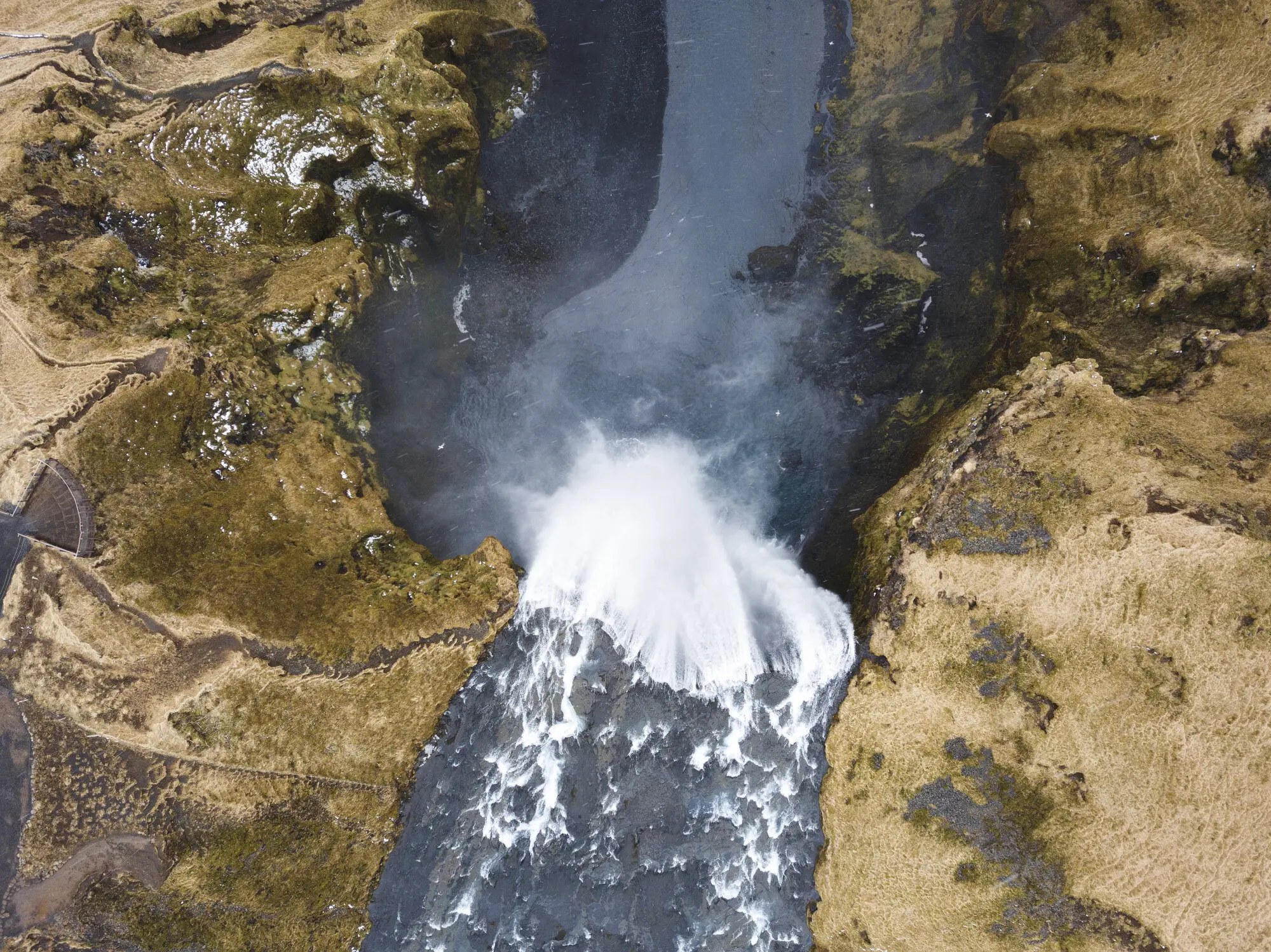
Starting near Padstow’s harbour, take the broad, wind-kissed path towards the Daymark tower, with estuary panoramas that keep children pointing. It’s roughly 10 kilometres return, but you can turn sooner at sandy coves. The main route stays safe regardless of tide, while beach explorations shine around low water. Time two and a half to four unrushed hours, with picnic breaks and curious sheep to greet along fences.

Falmouth’s Pendennis Point Loop: castles and calm water

Circle the headland between harbour and open sea, weaving history with gentle clifftop paths and grassy pauses. Allow ninety minutes with children’s stops for cannons and views. The loop stays tide-proof, yet Gyllyngvase Beach welcomes playtime when waves are friendly and lifeguards present in season. Finish with hot chocolate or local ice cream, and watch ferries glitter across the bay while jackets keep evening breezes comfortable.

Packing Light, Staying Safe, Enjoying More

One comfortable backpack handles everything: refillable bottles, fruit, wraps, spare socks, sunscreen, plasters, tissues, a tiny roll of tape, and a picnic rug that doubles as shade. Clip a collapsible dog bowl if paws are joining. Children enjoy choosing a treasure pouch for shells, leaving sharp or living finds in place. Keep weight centred and stop briefly every forty-five minutes to snack, stretch, and grin.
Agree a meeting point at every beach, teach children to show where they plan to explore, and practice a loud whistle before you set off. Walk single file on narrow edges, swapping leaders so kids feel trusted and watched. Check tide and wind together each morning, letting young helpers point at symbols. Small rituals build confidence, and confident families notice more dolphins, flowers, and tiny shimmering fish.
On lifeguarded beaches, explain red and yellow flags, point out patrol areas, and let kids help find the safest splash zone. On cliffs, keep slightly landward of the worn line when slopes feel greasy. After rain, step carefully around mud-polished roots and rock. Watch horizons for squalls, then celebrate your weather sense with a sheltered snack, a laugh, and postcards from the café while showers pass.

A morning low water that invites beach-hopping wonder

Set alarms gently, eat breakfast with flasks ready, and reach the first cove two hours before low tide. Explore pools, foil-crumple seaweed, and draw mini maps in wet sand. Pass any narrow sections early, then climb a safe link path before the tide turns. Late morning becomes picnic time, and you can ride a bus or small train back as yawns appear, still sandy and proud.

A midday high that keeps cliffs breezy and relaxed

When the water sits high, choose headlands with broad tracks, breezy viewpoints, and playful shadows. Start shortly after snacks, promise a lighthouse photo, and rest often. Stiles become small adventures rather than hurdles when unhurried. If little legs tire, break the loop at a café or viewpoint and return the same way. Arrive back as the tide ebbs, buying options for a short beach finale.

Golden-hour strolls that still finish safely

Sunset brings magic, so pick short out-and-back paths with clear waymarks and broad verges. Begin long before the sun drops, turn around by an agreed time, and pack head torches as a just-in-case. Keep beach play minimal unless you know the tide is falling. Share a warm layer, a shared chocolate bar, and a game of spotting the lighthouse blink, then celebrate an easy bedtime.

Finding lee-side paths when the wind howls

Use maps to spot headlands and valleys that block prevailing winds. South-facing coves often hide from northerlies, while estuary paths shelter from swell entirely. Start behind dunes, then step onto firmer sand if gusts ease. Children love this detective work: watch flags, feel gusts on cheeks, choose the kinder side, and reward the clever call with hot chips, a story, and a calm, smiling walk back.

Spring petals, autumn colours, winter clarity

Each season adds its note. In spring, gorse explodes gold and paths smell of coconut, so pack a light waterproof and dance between showers. Autumn quiets crowds and warms seas, perfect for tranquil estuary loops. Winter sharpens skies, revealing distant headlands, if layers, hats, and hot flasks join the party. Whatever the month, choose steady footing, daylight generosity, and a cup of something comforting at the journey’s end.

Crowds, parking, and the rhythm of busy days

Popular coves fill fast on sunny weekends. Arrive early, car-share, or pick routes with bus or train options that feel like treats. Bring coins or apps for machines, yet keep a fallback in mind if lots are full. Quiet alternatives just one headland away often shine brighter, with cleaner sand and gentler energy. Your calm plan B makes the whole family feel like seasoned locals.

Little Stories from Big Blue Days

Memories become manuals. These short tales show how tiny decisions—checking a noticeboard, choosing a bench for snacks, hopping on a heritage train—change everything. They also prove that mishaps can become jokes when preparation meets kindness. You’ll hear about almost-floating picnics, a clever bus shortcut that rescued nap time, and a patient seal sighting rewarded by quiet curiosity and respectful distance. Let the coast teach gently, and let laughter anchor the lessons for next time.

Be Part of Our Coastal Circle

Drop a quick note with start point, snack success, and anything you would tweak next time. Did you spot dolphins, a hidden café, or the perfect bench for stories? Mention the tide stage and how it shaped choices. Your details help other parents plan calmly, and we’ll credit your tip in our next update, turning today’s grin into tomorrow’s confidence for another family.
Join our list for a one-page planner showing example windows for common reference ports, packing prompts, and space for bus times. It prints cleanly and folds into a pocket. We also include links to trusted tide sources and family-friendly maps. When updates arrive seasonally, you’ll feel ready, not rushed, and your plans will breathe easily even when the sea decides to add unscheduled sparkle.
Unsure about buggy suitability, parking at busy harbours, or whether a spur vanishes at mid tide? Send a message with your preferred date, the ages in your crew, and your transport plan. We’ll reply with practical, friendly suggestions and a reminder or two that remove stress. Good answers travel far, turning many trips into effortless traditions that keep Cornwall’s edges welcoming for everyone.