Tides, Cliffs, and Atlantic Light in Cornwall
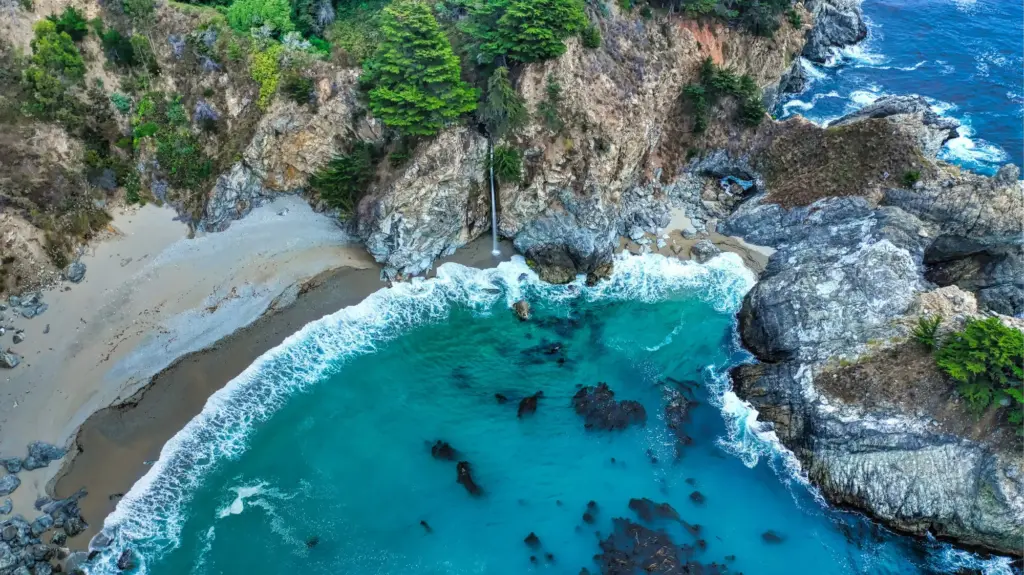
Today we turn our lenses toward Cornwall’s rugged cliffs and tidal shores, exploring how to capture character as the ocean breathes in and out. Our focus is photographing cliff and coast scenes through changing tides in Cornwall, blending planning, safety, and creative technique to translate texture, weather, and light into compelling stories. Expect practical routes, humane fieldcraft, and encouragement to share your frames, questions, and discoveries with fellow readers.
Reading the Ocean: Tides, Swell, and Timing
Decoding Spring and Neap Cycles
Spring tides, driven by sun and moon alignment, expose vast rock platforms and reveal channels that lead the eye; neaps shrink contrasts yet simplify footing. Note local lag between charted times and exposed ledges, and always allow time to retreat before water races back.
Low Tide Discoveries and High Tide Drama
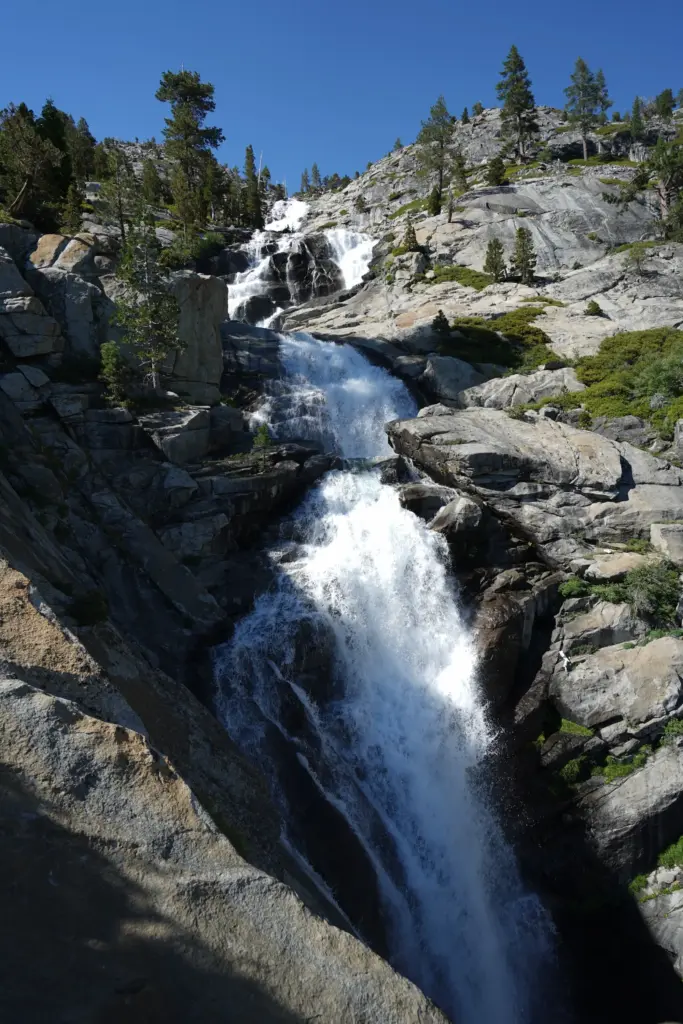
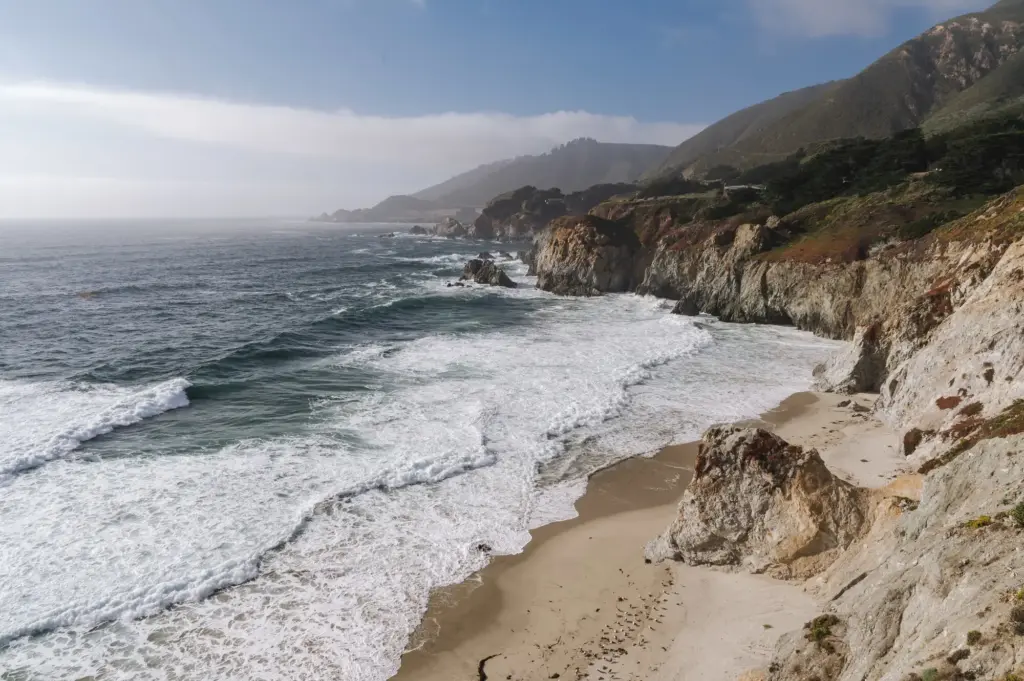
At dead low, rock pools mirror drifting clouds, kelp lines create graphic arrows, and footprints invite scale; at high water, waves compress against granite, turning spray into luminous veils. Build twin compositions, returning later to reinterpret identical viewpoints under transformed energy.
Smart Planning with Maps and Locals
Overlay OS maps with satellite imagery to spot gullies, coves, and safe descent lines. Cross-check lifeguard hours, parking, and tides with surf shops or coast walkers. Pack headlamp, whistle, and spare layers; message someone your exit time to prevent complacent risk.
Chasing Light along the Atlantic Edge
Light sculpts stone and water into emotion. Track sun paths, cloud ceilings, and post-frontal clarity to harvest sparkle, glow, or brooding melancholy. Backlight reveals spray as silver dust; sidelight chisels texture; overcast merges tones for quiet studies. Embrace unpredictability and let weather rewrite your plan.
Angles of Dawn and Dusk
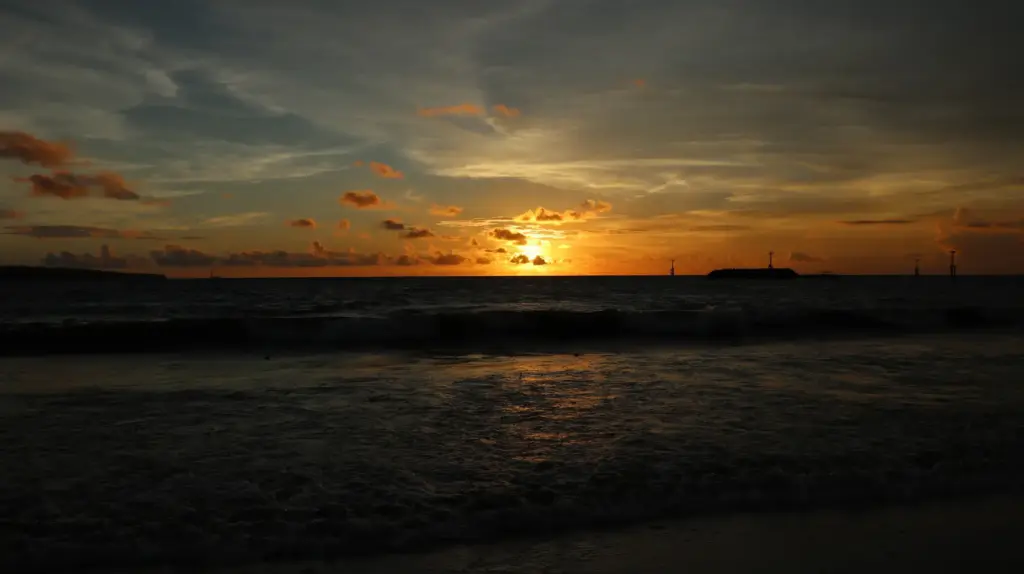
Use a sun-tracking app to anticipate when rays slip beneath cloud decks and light sea-stacks from behind. Winter brings low arcs and long shadows; summer gifts late illuminations. Rehearse tripod placement in dimness, then shoot bracketing sequences as color accelerates through brief, electric minutes.
Storm Windows and Rainbow Surprises
Between squalls, sun breaks ignite curtains of spray, and departing showers angle toward the sea, birthing rainbows over coves. Keep microfiber cloths ready, shade the lens with your body, and protect gear, yet embrace salt and chaos; drama rewards patience like few serene evenings can.
Tools and Techniques for Moving Water
Choose glass and settings that honor motion’s character. Wide lenses stretch skies and sweeping lines; telephotos compress cliffs and storms. Neutral density filters lengthen time; graduated control balances horizons; polarizers tame glare. Refine tripod craft, cable release habits, and exposure discipline to capture intention rather than luck.
Long Exposures without Losing Texture
Start around one to four seconds to soften water while retaining ridges and foam fingers, then stretch toward thirty seconds for mist. Anchor frames with steady rocks. Use bulb mode judiciously, watch histogram highlights, and shield the viewfinder to prevent leak-induced fogging and haunted shadows.
Balancing Sky and Land with Graduated Control
Hard transitions suit open horizons; soft blends forgive broken skylines and stacks. Tilt slightly to match wave angle, and feather upward while bracketing backups. If filters flare, blend exposures later, but commit to a decisive base frame that captures the living rhythm you witnessed.
Polarizers, Reflections, and Wet Stone Color
Rotate gently until reflections clear just enough detail without deadening life. Wet granite and serpentine glow when glare fades, revealing lichens and rusted mining relics. Beware uneven skies at ultra-wide focal lengths; bracket alternatives and decide later which balance best communicates the scene’s breath.
Composition from Clifftop to Shoreline
Let the land’s architecture guide placement. Search for S-curves in paths, fissures, and waves, and for triangles formed by headlands, clouds, and shadows. Introduce human scale thoughtfully. Alternate expansive grandeur with intimate details, weaving a narrative arc across changing water levels and shifting atmospheres.
Lines Carved by Geology and Trails
Slate beds tilt like pages; granite joints fracture into rhythmic steps; coast paths arc toward luminous horizons. Align these lines to point at your subject or counterbalance it. Move your feet deliberately, testing tiny height changes that unlock unexpected relationships between foreground textures and distant silhouettes.
Foreground Stories in Pools and Pebbles
At minus tides, puddled mosaics frame an entire universe of foam, shells, and trapped reflections. Place them low and close, then tilt slightly upward to stretch perspective. Wait for a receding wave to lay perfect leading trails, repeating shapes found on cliffs above.
Safety, Access, and Care for Wild Places
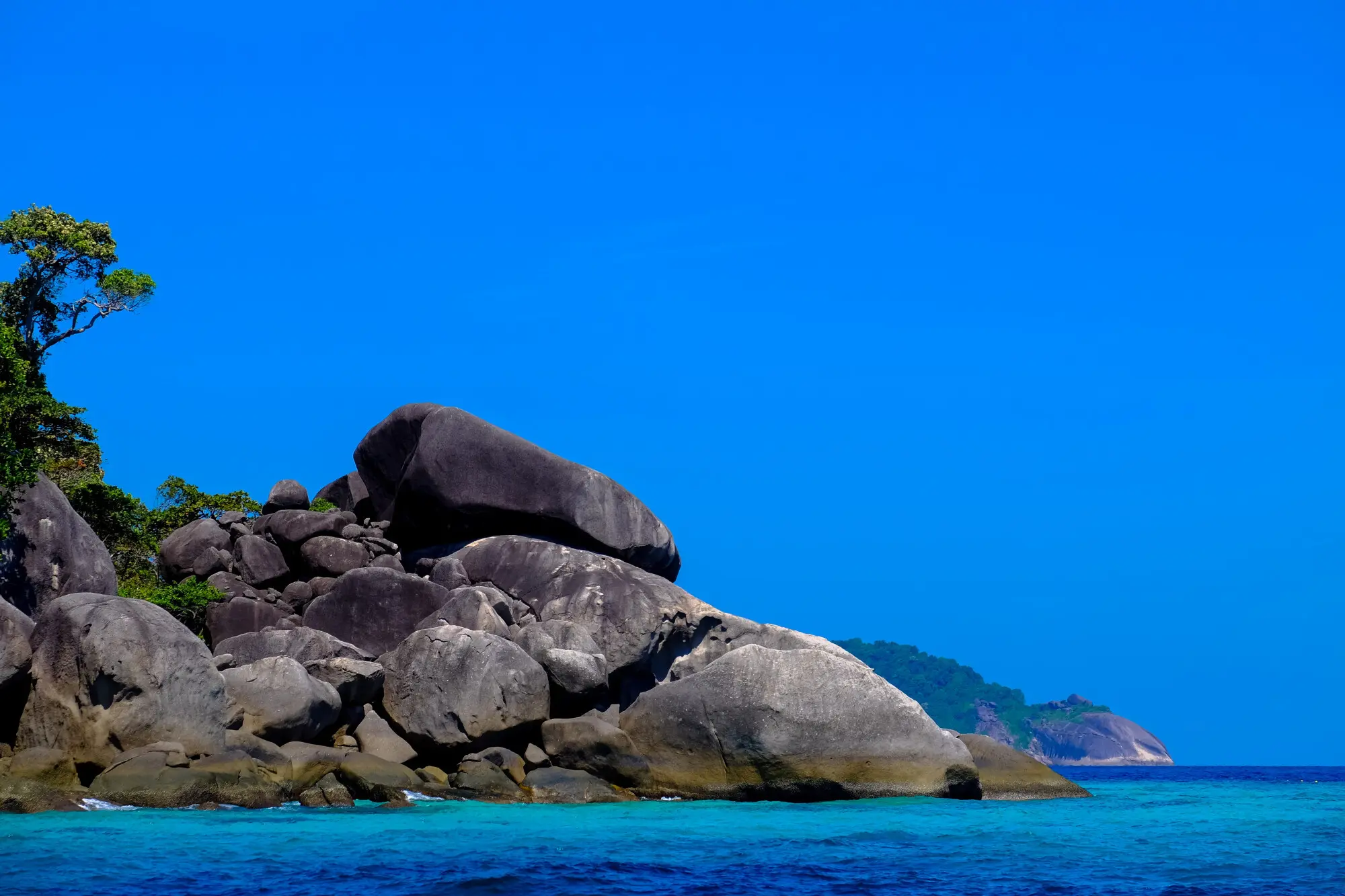
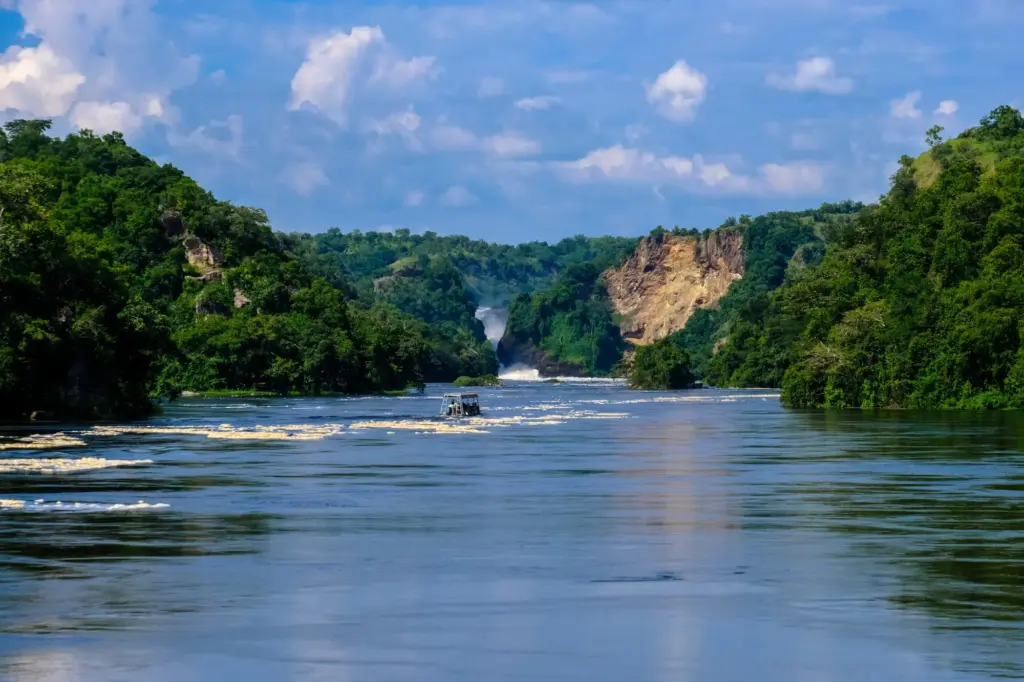
Creative ambition should never outrun awareness. Cliffs crumble without notice, waves surge beyond patterns, and slick algae defeat the surest stride. Read signage, heed lifeguards, and favor conservative choices. Practice leave-no-trace, step around fragile plants, and give space to seals and nesting birds during sensitive months.
Color Harmony across Blues, Greens, and Rust
Atlantic blues, jade coves, and oxidized beams from old engine houses can fight or sing together. Use HSL curves to nudge relationships subtly, dodge color casts from polarizers, and anchor palettes with neutral greys. Aim for coherence that recalls wind, salt, and distant surf.
Dodging, Burning, and Micro-contrast
Guide attention with feathered masks, lifting pathways of light across water while softening distractions. Micro-contrast brings grit to granite but can gritty skies; mask carefully. Keep skin of waves believable; over-smoothing erases character. Let viewers feel spray on cheeks, not software on pixels.
Panoramas and Crops that Serve the Story
Stitch sweeping headlands when a single frame truncates intent, but shoot level, rotate around nodal points, and lock exposure. Later, trim generously to strengthen balance, even square if minimalism emerges. The final shape should amplify mood rather than mimic trend.
Editing for Sea, Sky, and Granite
Post-processing should carry the sensation you felt on the edge. Calibrate monitors, build gentle, repeatable workflows, and protect believable color. Recover highlights in foam, cool whites slightly, and lift midtone texture in rock. Invite critique, iterate patiently, and publish with captions that teach and inspire.