Saltwater Edges: Exploring Cornwall’s Living Shore
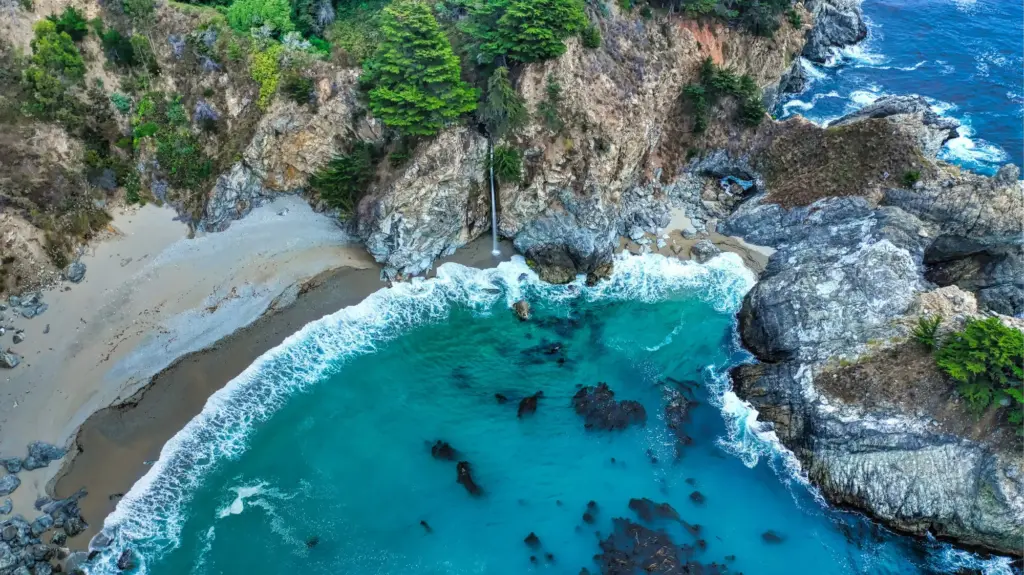
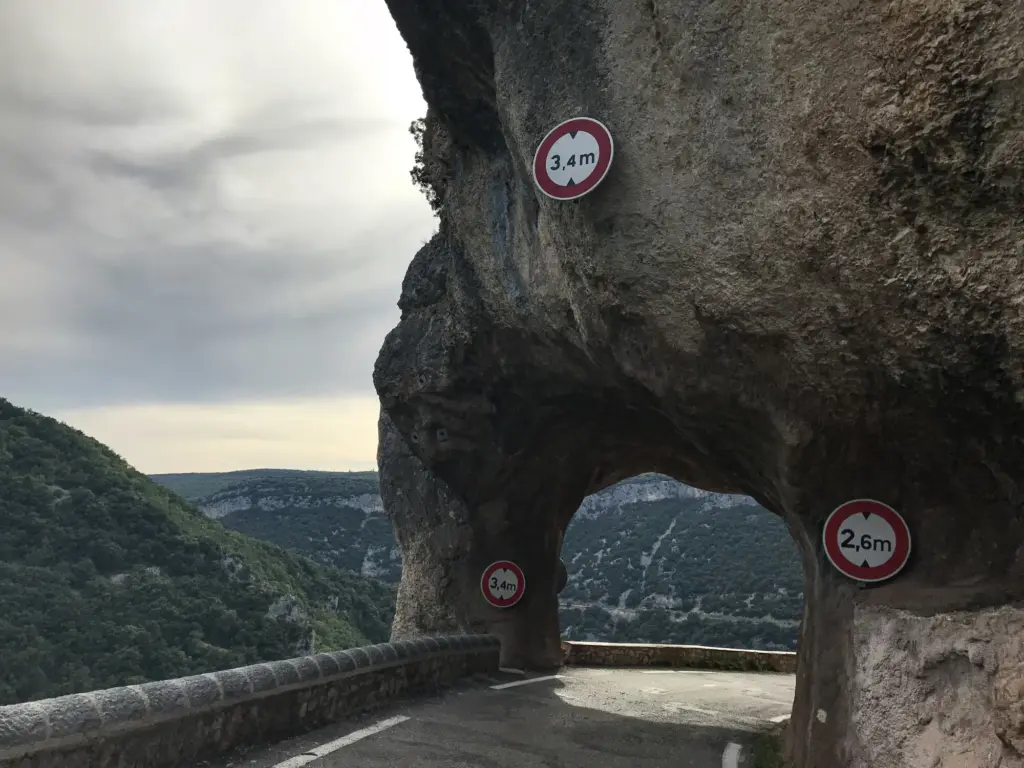
Join us for an immersive wander focused on Wildlife and Rock Pool Ecology Along Cornwall’s Intertidal Walking Routes, where shifting tides unveil miniature worlds, coastal birds patrol windy cliffs, and seaweed forests breathe with the moon. Expect practical guidance, real stories from slippery ledges, and gentle prompts to record, share, and protect these ever-changing, mesmerizing margins.

Reading the Tides and Finding Safe Footing

Tide tables are your compass, swell forecasts your weather vane, and common sense your best companion on kelp-slick ledges. We’ll compare spring and neap rhythms, spot safe descent points, and recognize when to turn back. By understanding exposure, surge, and light, your walks become richer, safer, and kinder to the creatures and communities that inhabit each barnacled stone.

Rock Pool Ecology: Microhabitats in a Teacup Sea
Each rock pool is a world stitched by stone shape, sunlight, rain, and surge. Temperature swings test algae and anemones, salinity spikes challenge prawns, and shelter invites juvenile fish to hide among pinked coralline crusts. Discover zonation, competition, and mutualism unfolding quietly between limpet scrapes, mussel clumps, dog whelk drills, and the slow choreography of grazing snails.

Sheltered Bowls, Wave-Swept Rims

Deep bowls buffer heat and hold nutrients, inviting cushion stars and shrimp into calm, clear alleys. Exposed rims trade safety for oxygen and food, favoring hardy barnacles and rubber-tough limpets. By noticing pool depth, overhangs, bubble trails, and shade lines, you can predict who thrives where, and why neighboring hollows host surprisingly different, beautiful communities.

Food Webs in Miniature

Sunlight fuels seaweed forests; detritus feeds grazers; grazers feed stealthy predators, all scaled to a handful of seawater. Watch a shore crab test snail defenses, a blenny ambush amphipods, or beadlet anemones purse tight at low water. Mapping these links sharpens your eye and helps explain sudden absences, unexpected blooms, or eerie stillness before a storm.

Creatures to Watch: From Anemones to Shannies

Cornish pools brim with charismatic survivors: beadlet anemones sealing into glossy pom-poms, snakelocks waving neon tendrils, shore crabs patrolling like armored gardeners, and shannies peering from crevices with expressive, patient faces. Seek cushion stars, breadcrumb sponges, and dog whelk egg spirals, spotting stories in small behaviors that unfold when you pause, breathe, and wait longer.

Seaweeds: The Forest That Breathes With the Moon

From bladderwrack clinging to mid-shore ribs to low-shore kelps fanning broad blades, seaweeds build shelter, food, and oxygen into every tide. Holdfasts anchor entire ‘city blocks’ of worms, isopods, and juvenile fish. Learn respectful identification, light-touch foraging ethics, and seasonal cycles, so your footsteps honor this photosynthetic architecture sustaining rock pool life and coastal resilience.

Zonation Painted in Greens, Browns, and Pinks

Higher ledges carry tough, sun-tolerant wracks; lower zones welcome laminaria canopies and delicately branching corallines. That vertical painting guides shoreline reading at a glance. Trace drip lines, blade edges, and air bladders to deduce exposure, shade, and water retention, translating color maps into confident movement choices and sharper, kinder searches through fragile, breathing seaweed neighborhoods.

Holdfast Cities and Floating Canopies

Holdfasts behave like living storm anchors, cradling micro-habitats where amphipods farm detritus and juvenile fishes take first lessons in sheltering. Above, swaying blades soften waves, trap bubbles, and shade sensitive invertebrates. Kneel, look close, and you’ll discover layered architecture humming with life, a vertical metropolis powered by light, tides, and endlessly inventive evolutionary engineering beneath your boots.

Foragers’ Etiquette and Small Harvests

If gathering a taste, cut small, above the holdfast, from many plants rather than one, and always check bylaws and protected zones. Rinse sand away, avoid reproductive fronds, and leave generous margins. Share respectful tips, favorite recipes, and seasonal notes in the comments, building a community that tastes thoughtfully, documents responsibly, and keeps coastal larders flourishing.

Coastal Birds and Marine Mammals Along the Route
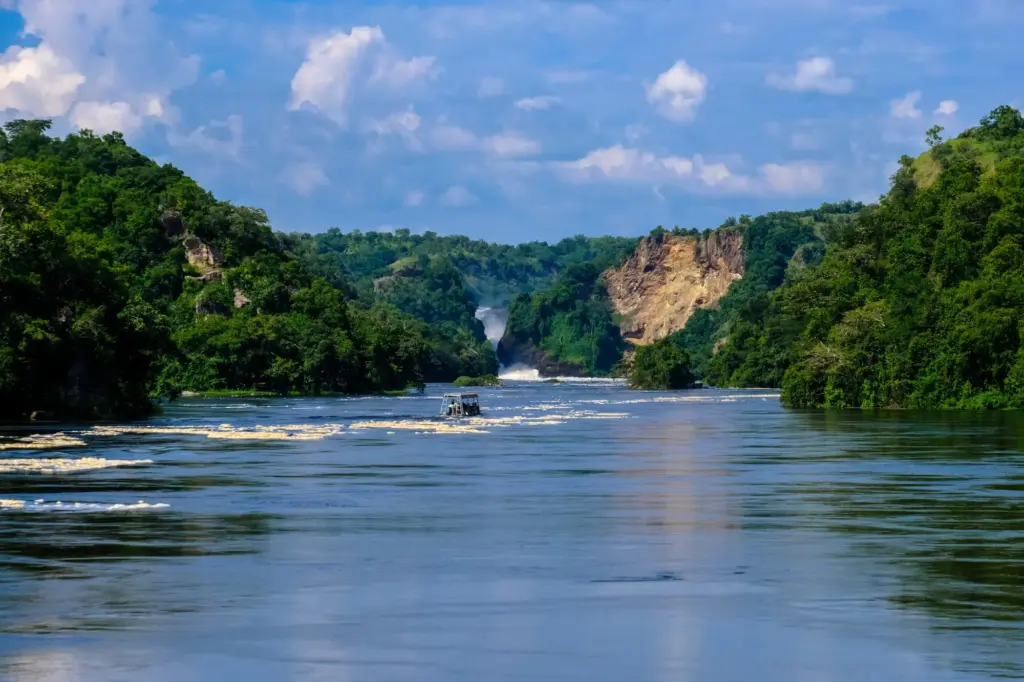
Choughs tumble red-billed against Atlantic skies, oystercatchers pipe over riffled flats, and fulmars slice easily along cliff lift. Grey seals haul out to rest, teach pups, and warm themselves in rare sunbreaks. We’ll read behaviors, wind lines, and feeding signs, pairing steady binocular work with respectful distances so encounters remain magical, ethical, and safely unforgettable.

Stories From the Strandline

A Childhood Memory of a Perfect Pool

I learned patience beside a shallow mirror near Port Gaverne, where a shy shanny finally blinked from its lair after my third minute of stillness. That tiny meeting recalibrated my pace forever. Share your first unforgettable encounter below, and let’s map the moments that turned curiosity into devotion along these glittering, barnacled Cornish thresholds between tides.

After the Storm: A Volunteer Cleanup

The morning after a sou’wester, we lifted ghost net snarls from kelp frames, filled sacks with nurdles, and logged a surprising influx of cuttlebones. Ten hands, one hour, a lighter cove. Add your local cleanup tips, favorite grabbers, and sorting tricks, and help newcomers learn that care is contagious, practical, and honestly joyful when shared together.

Finding Science in a Pocket Notebook

A waterproof notebook turns walks into living datasets: air and water temperature, pool depth, salinity taste notes, species sketches, wind direction, and wave period. Over weeks, patterns bloom. Post your templates or printable pages, compare observations, and let small, consistent records grow into community knowledge that informs action, enriches visits, and anchors memories with humble precision.

Planning Kit and Field Methods for Better Walks

Packing Light, Looking Closer

When gear is thoughtful but lean, attention widens. A hand lens turns pink crusts into coralline forests; polarized glasses erase glare to reveal prawns and scuttling crabs. Keep weight low, essentials handy, and curiosity high. Then, every ledge becomes a lesson, and every pause becomes a window into bright, surprising, briny universes cupped by stone.

Photography Without Disturbance

Work with available light, angle out reflections, and favor longer lenses over closer feet. Stability beats flash near reflective water. Pre-focus where action repeats—an anemone’s mouth, a fish’s runway. Share respectful techniques and camera settings in comments so others learn to document beauty while leaving wildlife undisturbed, stories intact, and unrepeatable magic rightfully unspoiled.

Logging and Sharing Observations

Adopt a routine: note tide, wind, and swell first, then species and behaviors with rough counts. Tag locations broadly to protect sensitive spots. Upload to iNaturalist, Shoresearch, or the Shark Trust’s Great Eggcase Hunt. Invite friends to compare notes, subscribe for field prompts, and help build a living atlas of Cornwall’s intertidal life, one careful entry.